

Dermatology
Simple Approach for Bug Bites and Stings
Aug
More time outdoors leads to questions about treating and preventing bug bites and stings.
Use these rules of thumb to assess bites and stings…and help manage the redness, swelling, or itching they can cause.
Investigate the culprit by reviewing photos of bites from chiggers, fire ants, fleas, and other insects in our chart, Identifying Bug Bites and Stings. Contact us for a copy!
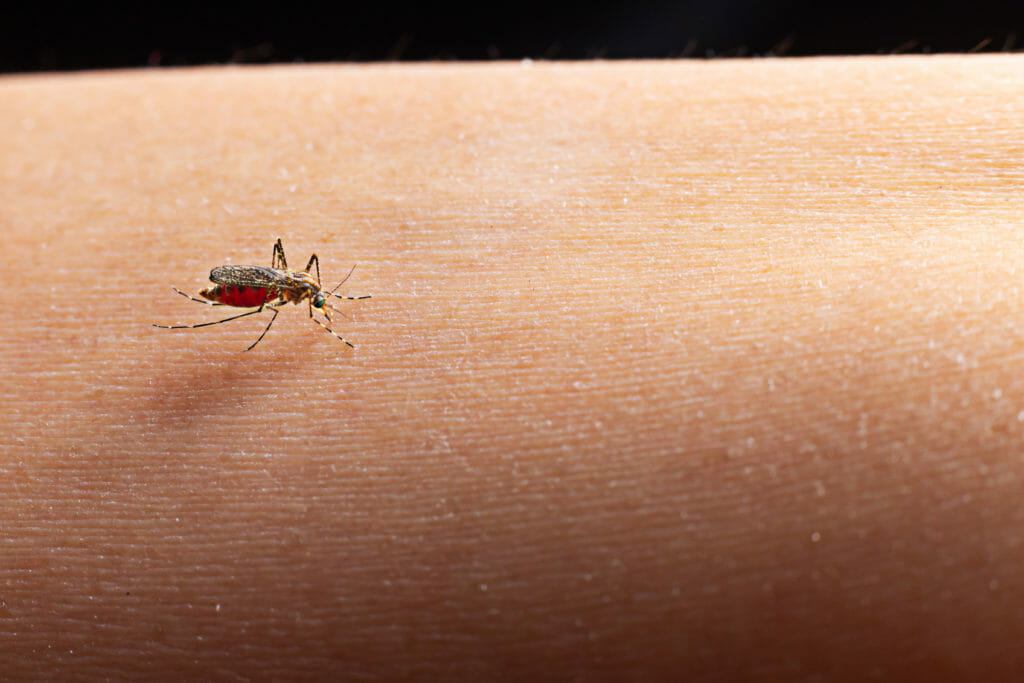
Also consider where the patient has been, location and grouping of bites, and timing of symptom onset. For instance, think of mosquitoes if near a lake…or sand flies at the beach.
Rule out other causes that may mimic bites…such as folliculitis, MRSA infection, or shingles.
Refer patients with signs of infection (warmth, spreading redness, etc) or if symptoms persist. Recommend emergency care for a systemic reaction (hives, trouble breathing, etc) or severe pain.
Advise treatment based on patient preference and symptom severity.
For example, recommend cold compresses to help swelling…and acetaminophen or ibuprofen for pain.
Suggest short-term use of a topical…such as hydrocortisone or calamine…for itching, redness, etc. There’s no good evidence for one product over another.
But discourage topical antihistamines…due to risk of contact dermatitis. If needed, consider an oral antihistamine (cetirizine, etc) instead.
If patients ask, explain there’s no harm in applying a paste of baking soda and water to try to soothe itching and redness.
Emphasize prevention by covering exposed skin as much as possible…especially at night, in dense woods, etc.
Recommend insect repellents with DEET or icaridin to ward off most biting bugs. Suggest up to 10% DEET once daily for kids 6 months to 2 years…up to 10% DEET TID for kids 2 to 12 years…or up to 30% DEET for kids over 12 years and adults.

