

Proton Pump Inhibitors
Pantoloc vs Tecta _ which is the better pantoprazole?
May
Ah, the pantoprazole plot thickens! We’re delving into the world of proton pump inhibitors, where the difference is in the details. Let’s break it down with a sprinkle of science and a dash of practicality.
### Pantoprazole Sodium
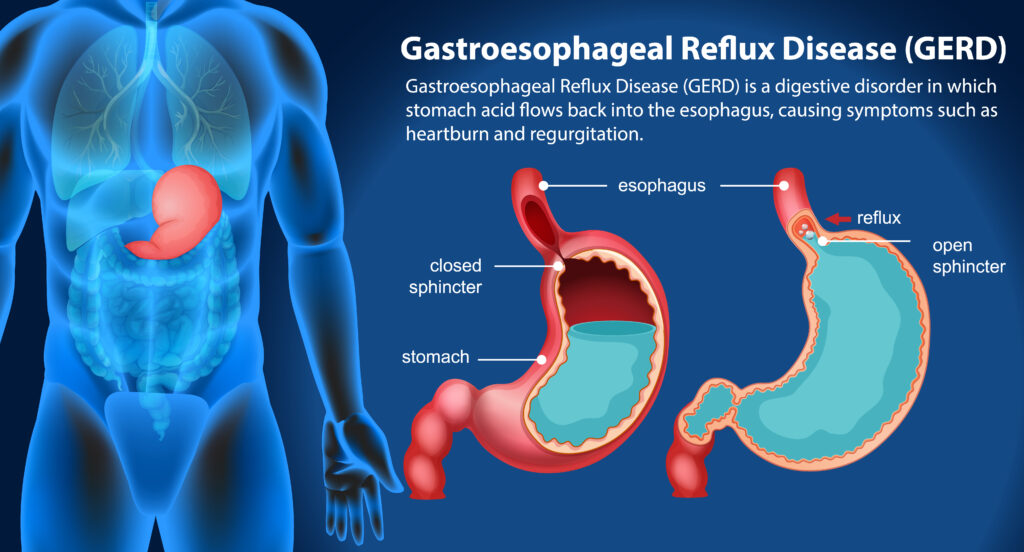
Pantoprazole sodium, the more commonly used form, is typically administered as a delayed-release tablet. This form utilizes sodium as its counterion (a fancy term for the buddy ion that balances the charge). It’s widely prescribed for its effectiveness in reducing stomach acid, making it a go-to for conditions like gastroesophageal reflux disease (GERD) and Zollinger-Ellison syndrome.
### Pantoprazole Magnesium
On the other side, we have pantoprazole magnesium. This version swaps out sodium for magnesium, a mineral many of us could use a bit more of in our diets. It’s available as a delayed-release tablet and is used for similar conditions as its sodium counterpart. Some studies suggest that pantoprazole magnesium might have a slightly faster onset of action compared to pantoprazole sodium, which could be a plus for those seeking quicker relief.
### Key Differences
1. **Ion Partner**: Sodium vs. magnesium—this change can influence how quickly the drug begins to work.
2. **Absorption and Onset of Action**: Pantoprazole magnesium may kick into action a bit faster, which might be preferable in scenarios where rapid relief of symptoms is crucial.
3. **Dietary Considerations**: For individuals on a low-sodium diet, pantoprazole magnesium might be the more appealing option.
In practice, both forms are effective for managing acid-related disorders. The choice between them may hinge on patient-specific factors like dietary restrictions or the need for rapid symptom control. Always a good idea to have a chat with your healthcare provider to pick the right pantoprazole partner for your stomach’s needs!

